
Luna, Sister Ray Davies - The Grog Shop

Event details

event-img
Luna, Sister Ray Davies
with Sister Ray Davies
Wed, Sep 30 Show: 8:00 pm (Doors: 7:00 pm)
$31.36 Buy Tickets
Wednesday, September 30 

Luna w/ Sister Ray Davies at Grog Shop

Doors 7 PM | Show 8 PM
ALL AGES
$25 advance / $30 day of show 
+ $3 at the door if under 21

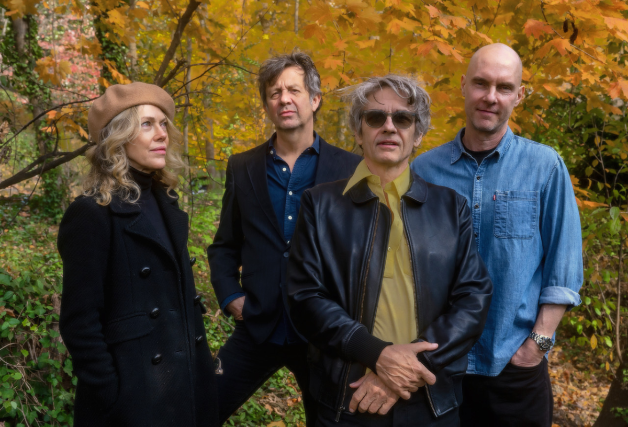
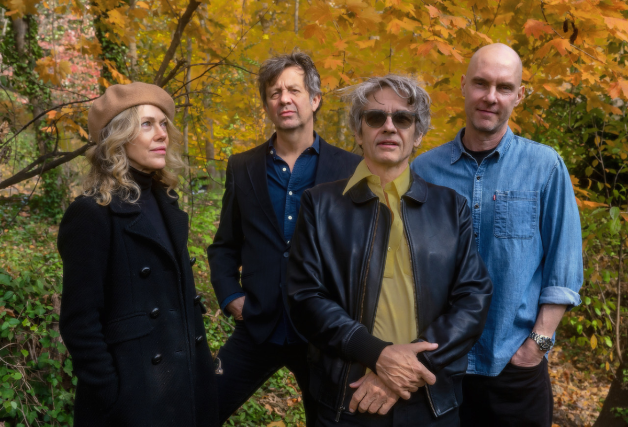
Luna was a New York band formed in 1991 by singer/guitarist Dean Wareham after the breakup of Galaxie 500. The band made seven studio albums before disbanding in 2005. After a ten-year break, they reunited and toured in 2015, and in 2017 released a new LP  —  A Sentimental Education and an EP of instrumentals — A Place of Greater Safety.

Other recent reissues include a deluxe 2xLP version of their classic Penthouse album (on Rhino) and another 2xLP set Lunafied that collects all the covers the band recorded in the 1990s.

Now scattered around the country (Los Angeles, New York and Austin) the band retains the same lineup that operated from 1999 to 2005: Dean Wareham on vocals/guitar, his wife Britta Phillips on bass, Sean Eden on guitar, and Lee Wall on drums.
Sister Ray Davies

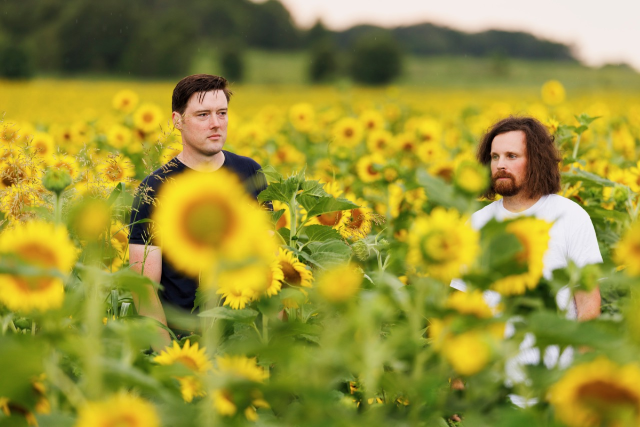
Sister Ray Davies is a brilliantly named new duo formed by Adam Morrow and Jamie Sego. They might
be based in Muscle Shoals, Alabama, but their acclaimed debut album Holy Island (released in
November 2025 via Sonic Cathedral and Well Kept Secret) is a concept record about the ancient
religious outpost off the coast of northeast England.

It’s a stunning record that mixes fuzzy guitars, folk horror and fantastic melodies, inspired by the likes of
Slowdive, Ride, Galaxie 500, Yo La Tengo, The Clientele and Talk Talk. Despite its lyrical inspiration
lying thousands of miles away, it comes imbued with the soulfulness of their surroundings – not least
because it was recorded in the old Muscle Shoals Sound studio, now Portside Sound, which is run by
Jamie.

The duo met when Adam played on sessions at the studio and they realised they had much in common,
personally and musically. On Holy Island the story of Lindisfarne is used as a vibes-based framework for
abstract ideas and emotions, as they try to make sense of our own peculiar moment in history.